|
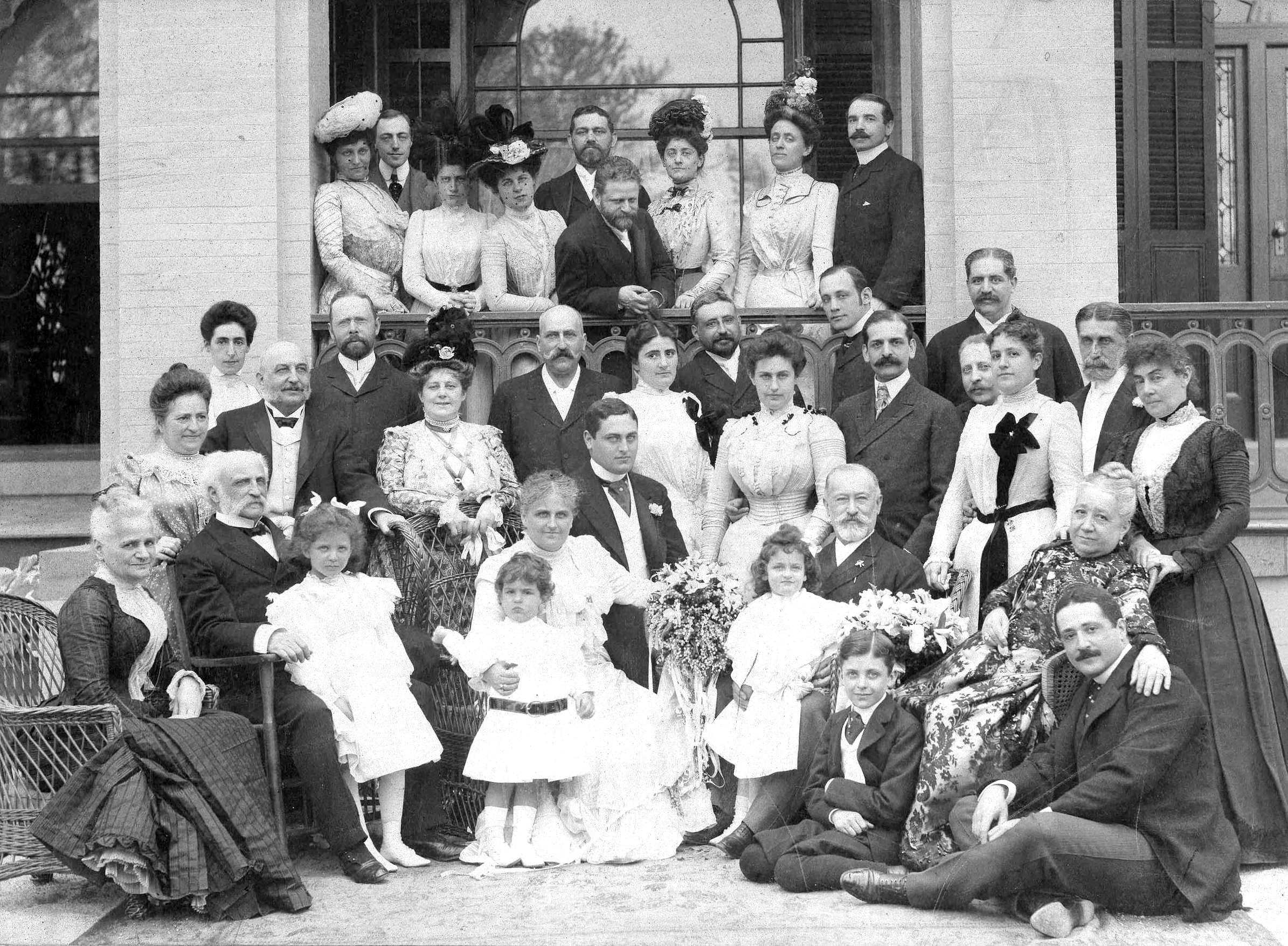
Jacob Schiff was born into a Jewish family in Frankfurt, Germany (1847). Germany at the time offered more opportunity for Jews than most European countries. He was educated there and began working in Frankfurt’s bustling banking community when he as only 14-years old (1861). Frankfurt was the commercial center of the German Confederation. He decided, however, that America offered more opportunity. His father sought to control his life. His mother told him. that he was made for America. Jacob emigrated to the United States still a teenager. Until this time banking and indistry even in America was rather closed to Jews. So Jews began founding their own banks and investment firms. Yhis procss with Geramn Jews. 【Schulman】 Joseph Seligman arrived in the United States with something like $100 sewn into the lining of his pants (1837) . Next came the Lehman brothers who opened a general store in Montgomery, Alabama. About the same time came Solomon Loeb and Marcus Goldman, among the '49ers' - fleeing a Germany where the Revolutions of 1848 had failed still relegated Jews to an underclass. Solomon Loeb was already a leader in this regard. Schiff who had pursued jobs in investment firms married Loeb's daughter (1875). He joined Kuhn, Loeb and Company and soon took over management (1885). Together with partners, Otto Kahn and Paul Warburg, they were successful investors in American railroads a booming opportunity at he time. They marketed the bonds of virtually every major American railroad. He was one of the tycoons of the Gilded Age and moved in circles like the Harimans and Morgans. He purchased the Union Pacific Railroad and attempted to gain control of Northern Pacific. This caught President Theodore Roosevelt's attention and along with the actions of other magnates resulted in the passing of anti-trust laws. He became a major American philanthropist, contributing to both Jewish and other charities. He was interested in Zionism, but some of his major efforts was to promote Jewish migration out of the big Northeastern cities and into the American heartland. He was especially moved by the plight of Russian Jews and the basrbaric pogroms in which Tsarist officials were involved. Tsarist officials sought to direct poplar sentiment away from their oppressive regime and on ho he Jews. Schiff arranged for loans to Japan at a time that Japan did not yet have a high credit rating. The loans played a major role in financing Japan's effortt in the Russo-Japanese War (1904-05). Schiff personally financed half of Japan’s military expenditures. Russia's humiliating loss was the first to an Asian nations in modern times. It seriously weakened the Tsarist regime. Schiff refused to participate in the World War I loans to Russia that Morgan was organizing.
Schulman, Daniel. The Money Kings: Ehe Epic Story of the Jewish Immigrants Who Transformed Wall Street and Shaped Modern America.