|
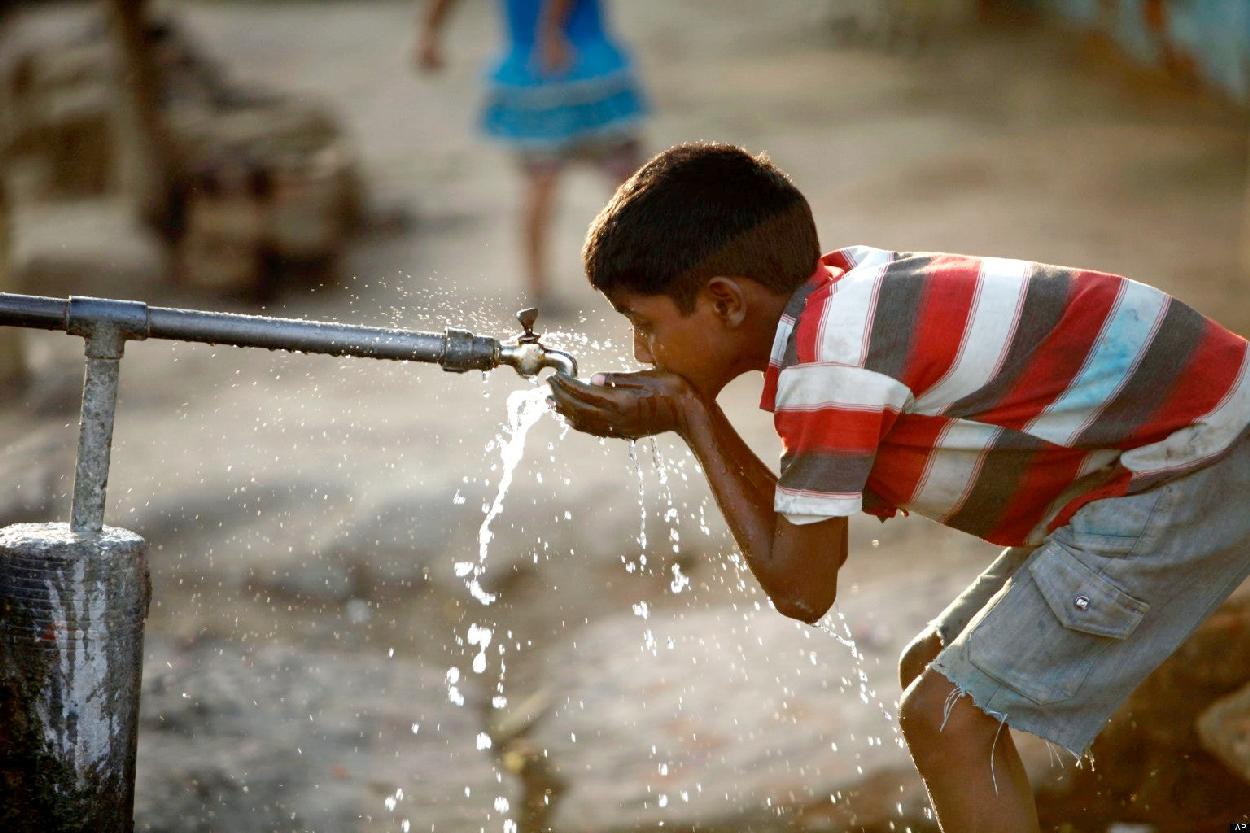
The Arab world is made up of 22 countries which extend from Atlantic coast Morocco in the west to Indian Ocean Somalia in the east. And virtually land-locked Iraq in the north to Indian Ocean Comoros in the south. This is an area of some 13 million square kilometers. The population is approaching 0.5 billion people. Some countries tend to have fast growing populations, but growth is slowing in countries where women are allowed access to education and unrestricted internet access. The Arab world consists of two distinct continental components. There are the western Asian Arab states (12 countries). And there are north African Arab states (10 countries). Important sectors dominated by Arab populations include the Maghreb, the Mashriq/Levant, the Arabian Peninsula, and the Horn of Africa. Arab geography is best known for its deserts, especially the Sahara in North Africa and the Rub' al Khali (Empty Quarter) in the Arabian Peninsula. These deserts are among the most important in the world and have had a huge impact on population and migratory patterns. The area has not always been so dry, but since ancient times desertification has expanded the area. In addition to the actual deserts there are large areas of very arid territory which are expanding. The Arab World has important fertile river valleys which was the birth place for civilization itself. Thy continue to be vital for agriculture which is vital for the countries involved. The Nile River Valley dominated Egypt and Sudan. The Tigris and Euphrates in Syria and Iraq forms a large part of the which has since ancient times supported large populations. Unfortunate for the Arab people, population growth has out run the ability of these rivers to feed the people invoilved. Even more ominous, Ethiopia is curbing the flow of the Nile and Turkey is restricting the flow of Tigris and Euphrates Rivers. This is impacting food production in countries with burgeoning populations, especially Egypt. There are also important mountain ranges, including the Atlas Mountains in North Africa, the Ahaggar Mountains in Algeria, the Zagros Mountains in Iran/Iraq, the Anti-Lebanon Mountains, and the Hijaz Mountains in the Arabian Peninsula. These mountains impact climate, rainfall, and human activity, including economics. Especially troubling is the climatic trends in the 10-40 band/box at the center of the Arab and wider Islamic world. Many of the countries involved have been living on fossil water pumped from acquirers that are now badly depleted. In the 10-40 box only tiny Israel is competently dealing with the growing water problem. The Arab world today is confonted one of the most severe water crises in history, per capita fresh water availability is far below global averages, driven by arid climates,rising temperatures, overuse of vailable resources, depletion of acquifers, climate change, neighbors cutting river flows, and war and conflict.

Navigate the Children in History Website:
[Return to the Main Arab page]
[Return to theMain geography page]
[Introduction]
[Biographies]
[Chronology]
[Climatology]
[Clothing]
[Disease and Health]
[Economics]
[Geography]
[History]
[Human Nature]
[Law]
[Nationalism]
[Presidents]
[Religion]
[Royalty]
[Science]
[Social Class]
[Bibliographies]
[Contributions]
[FAQs]
[Glossaries]
[Images]
[Links]
[Registration]
[Tools]
[Children in History Home]