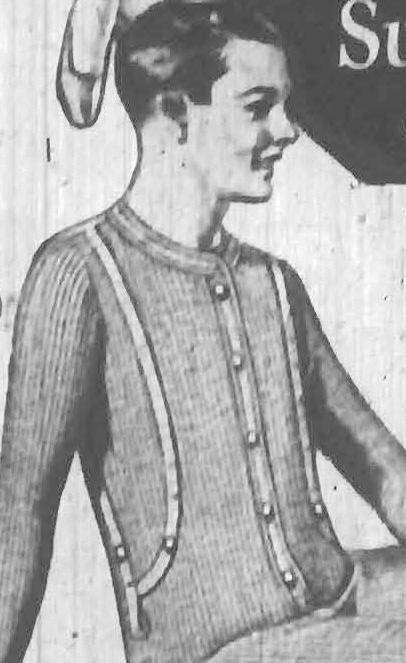
Figure 1.--We are not sure when tape loop fastenings on underwaists were first introduced. This 1926-27 Sears advertisment for a waist union suits for boys with heavy tape loops at the sides through which the supporter safety pins could be fastened. |

|
Tape loops were another method for attaching the garters to the support garment. This is the simplest of the three devices. Manufacturers simply sewed a heavy loop made of strong tape onto the sides of waists and waist union suits to hold the garters in place. The heavy loops were strong enough to stand the strain and wear of attaching saferty pins. The safety pin of the supporter was simply opened, slipped through the loop, and then closed again. The loops were almost as wide as the length of the pin so that the hose supporter could not slip and slide around once it was attached. The loop-style garter tab was of course attached to a supporting shoulder tape with which the waist was reinforced, so that the pull of the garter would not pull the waist out of shape or tear the fabric of the waist. We are not sure when these loops first appeared or what company introduced them. Sears in 1927 advertised waist union suits for boys with heavy tape loops at the sides through which the supporter safety pins could be fastened Tape loops were touted by the E-Z Waist Company as avoiding the problem of rusting or being flattened by wringers in washing machines. E-Z Waists made much of the tape loop, arguing that it was better than a metal tube because it wouldn't rust when laundered or get bent out of shape in the wringer of old-style washing machines.
Tape loops were another method for attaching the garters to the support garment. This is the simplest of the three devices. Manufacturers simply sewed a heavy loop made of strong tape onto the sides of waists and waist union suits to hold the garters in place. The heavy loops were strong enough to stand the strain and wear of attaching saferty pins.
The safety pin of the supporter was simply opened, slipped through the loop, and then closed again. The loops were almost as wide as the length of the pin so that the hose supporter could not slip and slide around once it was attached. The loop-style garter tab was of course attached to a supporting shoulder tape with which the waist was reinforced, so that the pull of the garter would not pull the waist out of shape or tear the fabric of the waist.
Tape loops were used on both underwaists and waist union suits. We note ads (no picture) with information about the tape loop for supporters. There was a 1909 advertisement for E-Z Waists, "CHILD'S WAISTS—E Z waists that are made of fine grade cotton with 2 rows of buttons and heavy tape loops for supporters sizes 2 to 12 years 25c". The ad for
Lytle's Cash Department Store appeared in the Williamsburg Herald-Tribune (April 22, 1909, page 8). Anoather ad fo Oransky's Clothing Store appeared in the Des Moines Daily News (September 13, 1918, page 5). It read, "Children's Union Suits for Only 89c: Children's fine ribbed fleece lined waist union suits, made of pure white-cotton, high neck, long sleeves, ankle length and drop scat. The waist has reinforced strong, washable buttons and tape supporter
loops. Size 4 to 14. Very special, Saturday."
We are not sure when these loops first appeared or what company introduced them. We note a 1909 ad for E-Z waists (no illustrsation) with information about the tape loop for supporters. The ad copy read, "CHILD'S WAISTS—E Z waists that are made of fine grade cotton with 2 rows of buttons and heavy tape loops for supporters sizes 2 to 12 years 25c"
The ad placed by Lytle's Cash Department Store appeared in the Williamsburg Herald-Tribune (April 22, 1909, page 8).
Anoather ad, from Des Moines Daily News (September 13, 1918, page 5) was placed by Oransky's Clothing Store. The ad copy read, "Children's Union Suits for Only 89c:
Children's fine ribbed fleece lined waist union suits, made of pure
white-cotton, high neck, long sleeves, ankle length and drop scat.
The waist has reinforced strong, washable buttons and tape supporter
loops. Size 4 to 14. Very special, Saturday."
E-Z Waists and Waist Union suits made much of the advantage of tape
loops instead of metal pinning tubes. We note a 1925 E-Z ad which read, "GARTER HOLDER--No metal tube to rust or smash in the wringer. A "tube of tape" keeps the garter pin straight and always in perfect position."
Sears in 1926-27 advertised waist union suits for boys with heavy tape loops at the sides through which the supporter safety pins could be fastened (figure 1).
We notice these tape loops on both underwaists and waist union suits. The Searswaist union sduit here is a good example (figure 1).
Tape loops were touted by the E-Z Waist Company as avoiding the problem of rusting or being flattened by wringers in washing machines. E-Z Waists made much of the tape loop, arguing that it was better than a metal tube because it wouldn't rust when laundered or get bent out of shape in the wringer of old-style washing machines.

Navigate the Boys' Historical Clothing Web Site:
[Return to the Main garter attachment device page]
[Return to the Main garter attachment page]
[Return to the Main garter page]
[Introduction]
[Activities]
[Biographies]
[Chronology]
[Clothing styles]
[Countries]
[Bibliographies]
[Contributions]
[FAQs]
[Glossaries]
[Images]
[Links]
[Registration]
[Tools]
[Boys' Clothing Home]